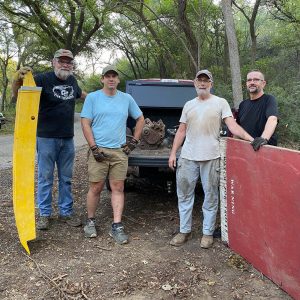
For the past five years, the Fort Worth Nature Center & Refuge has hosted a special kind of field trip, one that blends outdoor adventure, hands-on science, and meaningful community partnership. Each year, high school students from the Texas Academy of Biomedical Sciences (TABS), led by their teacher Andrew Brinker, join Dr. Matt Chumchal’s research team from Texas Christian University to take part in the Dragonfly Mercury Project (DMP), a nationwide citizen-science initiative that is transforming our understanding of mercury pollution in the environment.
The idea behind the project is simple but powerful: because mercury travels long distances in the atmosphere, every body of water, from the most remote national park to our own Nature Center, receives some level of mercury deposition. Measuring mercury across thousands of waterways would be impossible for scientists alone. But by partnering with students, teachers, park staff, and community volunteers, the DMP has created the world’s largest database of mercury in aquatic insects. These efforts have already led to several important scientific discoveries and provided natural resource managers with valuable information to help protect human and wildlife health.
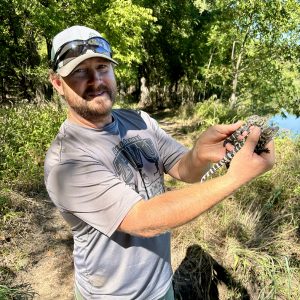
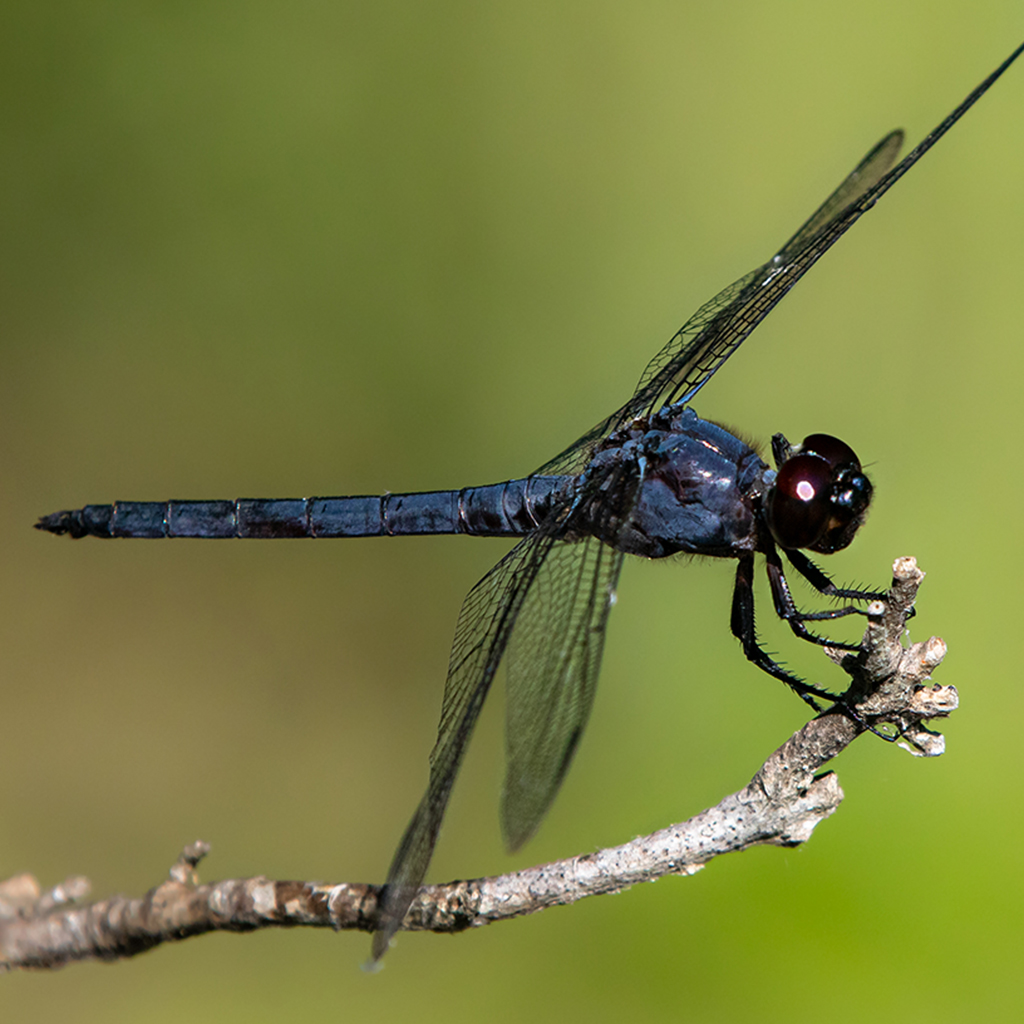
At the Nature Center, TABS students spend the day wading into ponds and sloughs to search for dragonfly nymphs. These aquatic insects, which spend most of their lives underwater before emerging as the adult dragonflies we see in summer, are excellent sentinels of mercury contamination. Students learn to identify the nymphs, take basic biological measurements, and prepare specimens for shipment to the U.S. Geological Survey laboratory in Corvallis, Oregon, where they are analyzed for mercury. Their results then become part of a national, publicly available database used by scientists, educators, and conservationists across the country.

This experience is more than just sample collection. Students learn how mercury moves through ecosystems, how contaminants accumulate in food webs, and why this information matters to anglers, wildlife biologists, and public-health officials. Students also gain a deeper appreciation for the plants, animals, and waterways of the Fort Worth Nature Center, often discovering parts of their local environment they had never explored.
And the impact doesn’t end there. Some of the students have carried their work forward, presenting findings at scientific meetings and pursuing STEM majors in college. TCU graduate students who mentor them have also grown through this outreach, honing their teaching and leadership skills while sharing their passion for environmental science.

The good news for our region is that mercury concentrations in dragonflies at the Nature Center have consistently been low compared with many other sites across the country. But the data remains scientifically important, helping us understand the many factors that shape mercury cycling in Texas ecosystems. Continued monitoring allows us to detect changes over time and gives students a sense of stewardship for their local environment.
Looking ahead, the team at TCU hopes to build on the success of this long-running partnership. Faculty are currently developing grant proposals to design new curriculum materials and expand the program so that more teachers and students across Texas can participate. The Refuge has been an ideal partner, an outdoor classroom where scientific discovery and environmental education naturally come together, inspiring the next generation of scientists, conservation leaders, and informed citizens.
We are grateful to the Friends of the Fort Worth Nature Center & Refuge for supporting a place where learning, discovery, and community engagement flourish. With our continued partnership, we look forward to many more years of exploration, education, and dragonfly science on these remarkable lands.
To learn more about the Dragonfly Mercury Project, visit nps.gov/articles/000/dmpvideo.htm.